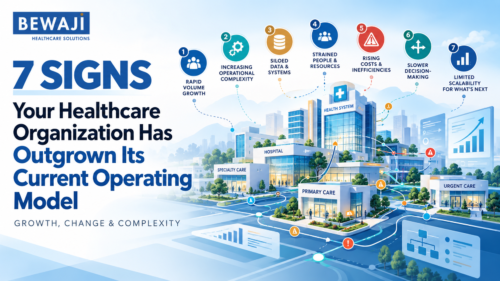
A clinic operating system (COS) is your complete operational blueprint—not just software. It integrates physical space, standardized processes, digital infrastructure, staffing models, and management systems to reduce friction, protect quality, and eliminate constant firefighting.
What you’ll learn:
- 8 core components of a clinic operating system
- Real-world examples from high-performing clinics
- Actionable implementation steps you can start today
- Metrics and dashboards to track improvement
What Is a Clinic Operating System?
A clinic operating system combines:
- Physical space design optimized for patient flow
- Standard operating procedures (SOPs) with clear escalation paths
- Integrated digital infrastructure connecting EHR, scheduling, and billing
- Demand-based staffing and resource planning
- Patient engagement systems reducing no-shows and confusion
- Continuous improvement processes with measurable metrics
Not a COS: Single software tools, disconnected policies, or ad hoc workflows that depend on “hero” staff members.
A real COS: Coordinated systems where every component reinforces the same patient journey and operational outcomes.
8 Building Blocks of a Clinic Operating System
1. Physical Workflow and Space Organization
Design for patient flow:
- Map the complete journey: entrance → registration → waiting → exam → treatment → checkout
- Zone spaces to minimize unnecessary movement
- Separate public areas from staff-only zones
- Identify choke points: registration backups, room availability, diagnostic handoffs, checkout delays
Key actions:
- Create service corridors for supply transport
- Design drop-off and parking to reduce late arrivals
- Use daylight and intuitive navigation to reduce wayfinding burden
- Build central organizing hubs (lobbies) for clear routing
Real-world example: San Blas Healthcare Center (Madrid) manages labs, pharmacy, operating rooms, and a linear accelerator through functional zoning that keeps complex services patient-friendly.
2. Standard Operating Procedures and Escalation Paths
Standardize repeatable work:
- Document core workflows: check-in, rooming, referrals, prior authorization, inventory
- Define “done” criteria: inputs, steps, outputs, handoff points
- Reduce variation causing downstream errors
Create clear decision rights:
- What frontline staff can resolve independently
- What supervisors own
- What escalates to management or medical director
- Build thresholds: time, safety risk, complaint severity, compliance triggers
Systematize urgent-but-not-important issues:
- Tardiness, minor scheduling disputes, routine complaints
- Use predefined steps and scripts
- Reserve leadership attention for safety, compliance, and systemic problems
Key outcome: Same issue gets same resolution regardless of shift or supervisor.
3. Digital and Data Infrastructure
Centralize information:
- Connect scheduling, documentation, e-prescribing, billing, reporting
- Reduce duplicate entry and fragmentation
- Treat integration as operational safety, not IT preference
Real-time operational visibility:
- Dashboard metrics: room turnover, lab delays, queue length, cycle time
- Control charts to distinguish normal variation from systemic drift
- Modeling and simulation to test changes before rollout
Automate patient communication:
- Reminders and prep instructions reduce no-shows
- Standardize patient education content
- Decrease phone volume with proactive answers
Proactive care with AI/IoT:
- Remote monitoring: wearables, BP cuffs, glucose devices
- Trigger earlier outreach based on thresholds
- Integrate alerts into workflows with clear ownership
Real-world example: Cleveland Clinic Lou Ruvo Center uses unified management systems to support clinical care, research, and fundraising without operational conflicts.
4. Staffing and Resource Planning
Forecast demand:
- Use historical trends and clinical guidelines
- Predict volumes, visit types, resource needs
- Translate forecasts into realistic appointment templates
Balance coverage and workload:
- Align clinician, MA/RN, imaging, lab, and front-desk staffing with peak demand
- Reduce wait times and overtime
- Use predictive scheduling to protect access and quality
Reduce burnout:
- Identify chronic overload points (Monday morning surges)
- Redistribute tasks, add float coverage, adjust templates
- Track staff well-being as operational metric
Automate inventory:
- Implement controls for critical supplies and medications
- Automate replenishment to prevent shortages
- Link supply visibility to usage patterns
5. Patient Engagement and Experience
Improve wayfinding:
- Consistent signage and intuitive layouts
- Reduce late arrivals and misdirected patients
- Treat wayfinding as throughput lever
Design comfort into efficiency:
- Comfortable waiting areas maintain satisfaction
- Biophilic elements (natural light, plants) reduce stress
- Align environment with flow to avoid congestion
Structured feedback loops:
- Collect feedback via surveys, kiosks, portal prompts
- Route to specific owners with timelines
- Close the loop by communicating changes
Connect engagement to operations:
- Use portals for prep instructions, results, follow-up plans
- Standardize communication pathways
- Shift coordination from phone to trackable workflows
Real-world example: Chaum Anti-Aging Life Center (Seoul) combines high-tech diagnostics with privacy-forward consultation spaces, proving efficiency and comfort coexist through intentional design.
6. Healthcare Workflow Optimization
Target measurable pain points:
- Delayed lab results
- Long rooming times
- High no-show rates
- Registration bottlenecks
Use structured tests of change:
- Avoid large disruptive rollouts
- Define outcomes and owners before implementation
- Verify sustained improvement, not temporary gains
Align clinical and business goals:
- Combine access, quality, safety, patient experience, staff health, financial indicators
- Avoid optimizing one area at expense of another
- Create shared definitions for consistent interpretation
7. Healthcare Operations Management Systems
Control charts and operational metrics:
- Track variation over time
- Separate one-off disruptions from systemic problems
- Trigger interventions before issues become crises
Dashboards and scorecards:
- Monitor key performance indicators
- Real-time visibility into bottlenecks
- Data-driven capacity management
Review cycles:
- Recurring huddles for near-term operations
- Monthly/quarterly reviews for metrics and priorities
- Update SOPs, staffing plans, templates as demand shifts
8. Continuous Improvement Framework
Institutionalize improvement:
- Make measurement and iteration routine, not project-based
- Use data to guide decisions
- Build improvement capacity into staff roles
Quality control mechanisms:
- Regular audits of standard processes
- Patient and staff feedback integration
- Performance trend analysis
Governance structure:
- Clear ownership of metrics and improvement projects
- Executive review cadence
- Communication loops closing feedback to stakeholders
Quick-Start Implementation Guide
Week 1-2: Audit current state
- Map one complete patient journey end-to-end
- Identify where flow breaks: space, handoffs, staffing, data, communication
- Select highest-impact building block to address first
Week 3-4: Implement one building block
- Standardize one high-volume SOP
- Launch simple throughput dashboard
- Redesign scheduling template based on demand data
Week 5-6: Measure and iterate
- Track metrics for implemented change
- Gather staff and patient feedback
- Plan next building block implementation
Ongoing: Build systematically
- Add one building block every 4-6 weeks
- Ensure new components integrate with existing ones
- Maintain focus on patient journey coherence
Common Questions About Clinic Operating Systems
How long does it take to build a clinic operating system?
Building a complete system takes 6-24 months depending on clinic size. However, improvements appear within 30-90 days when implementing one building block at a time. Start with highest-impact areas like patient flow or critical process standardization.
Do we need new technology to build a clinic operating system?
No. Most clinics can build effective systems with existing technology. The focus is integration and workflow optimization, not replacing tools. Many discover their current EHR does more than they’re using once workflows are standardized.
How do we get staff buy-in for standardized processes?
Involve frontline staff in designing SOPs. People doing the work daily understand practical constraints best. When staff help create standards, they’re more likely to follow them. Demonstrate how standards reduce cognitive load and interruptions.
What metrics should we track first?
Start with patient flow metrics: arrival-to-rooming time, room turnover, cycle time, appointment adherence. These reveal bottlenecks quickly. Add clinical quality, patient experience, and staff satisfaction as your system matures. Track 5-7 metrics initially.
Can small clinics benefit from a formal operating system?
Yes. Small clinics often benefit more because improvements are easier to implement and results appear faster. A three-provider practice still needs clear patient flow, standardized processes, integrated information, and capacity management. Small size is an advantage.
How do we balance standardization with flexibility for unique situations?
Effective SOPs include escalation paths and exception handling. Standards cover 80-90% of routine situations. Clear decision rights define who can deviate and when. Standards free up mental capacity for genuinely complex situations requiring customization.
Key Takeaways
✓ A clinic operating system is complete integration, not individual tools or policies
✓ Physical space, processes, data, staffing, and engagement must reinforce the same patient journey
✓ Start with one building block and implement systematically over 6-24 months
✓ Measure everything: patient flow metrics, quality indicators, staff satisfaction, financial performance
✓ Advanced ≠ luxury: High performance comes from coherence and repeatability, not premium finishes
✓ Continuous improvement is essential: Systems drift without measurement and iteration
Next Steps: Download Your Implementation Roadmap
Building a comprehensive clinic operating system requires a clear roadmap. Get our detailed 20-page guide with frameworks, templates, and implementation steps.
Download the 6-Week Clinic Operating System Roadmap
Includes:
- Week-by-week implementation plans
- Assessment tools for your starting point
- Templates
- Frameworks and worksheets
- Checklists
- Continuous improvement protocols
Read the full version here
Related Topics
Healthcare digital transformation | Health care management system | Patient scheduling optimization | Healthcare inventory management systems | Improving patient care through technology | Healthcare workflow automation | Decision support systems in healthcare | Reducing costs in healthcare | AI in patient care | Healthcare process automation
About Bewaji Healthcare Solutions: We help healthcare organizations design and implement clinic operating systems that reduce friction, protect quality, and free leadership from crisis management. Learn more about our systemization programs.